|
Product Name |
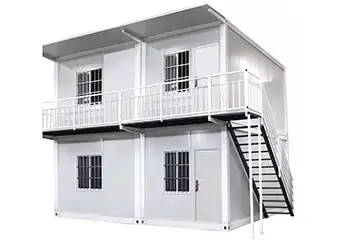
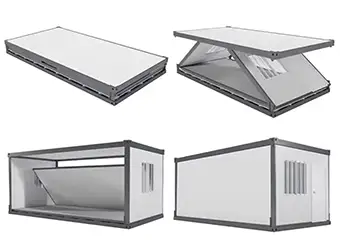
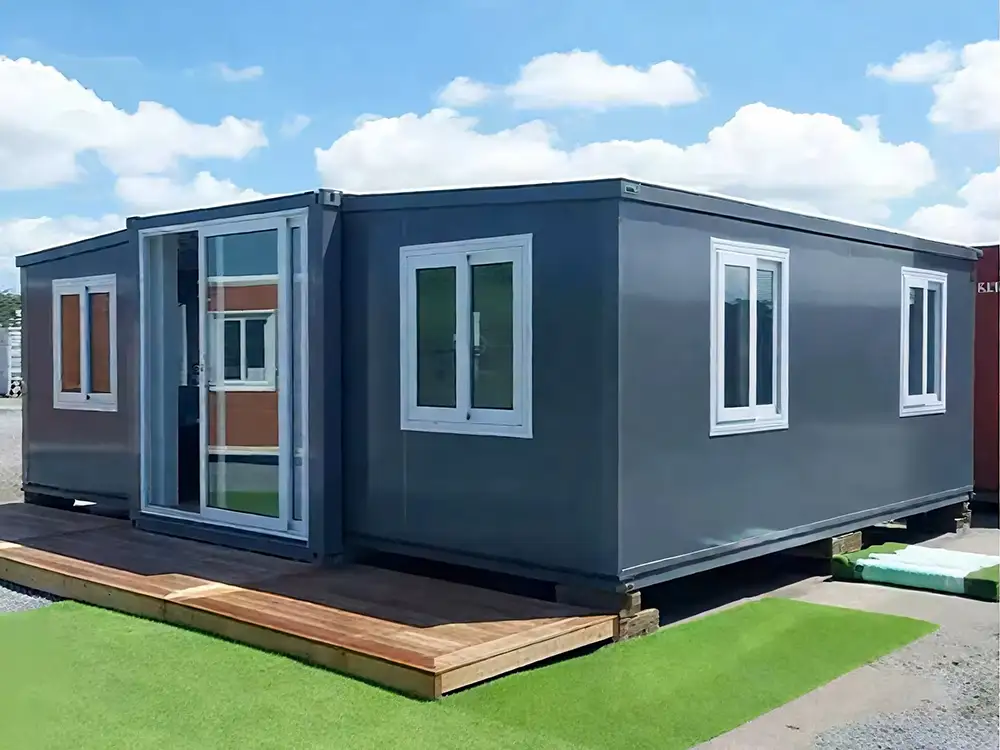
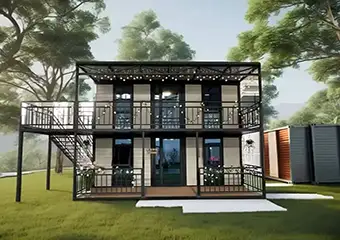
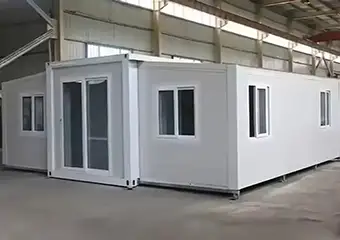
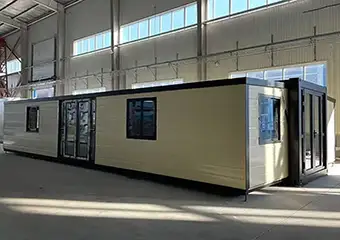
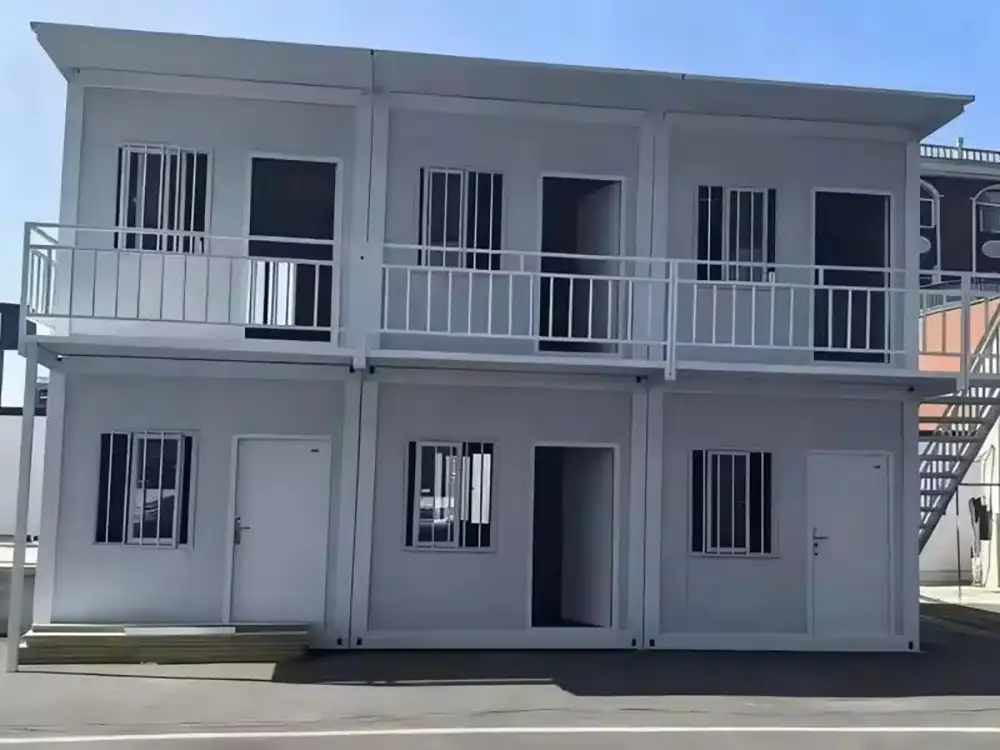
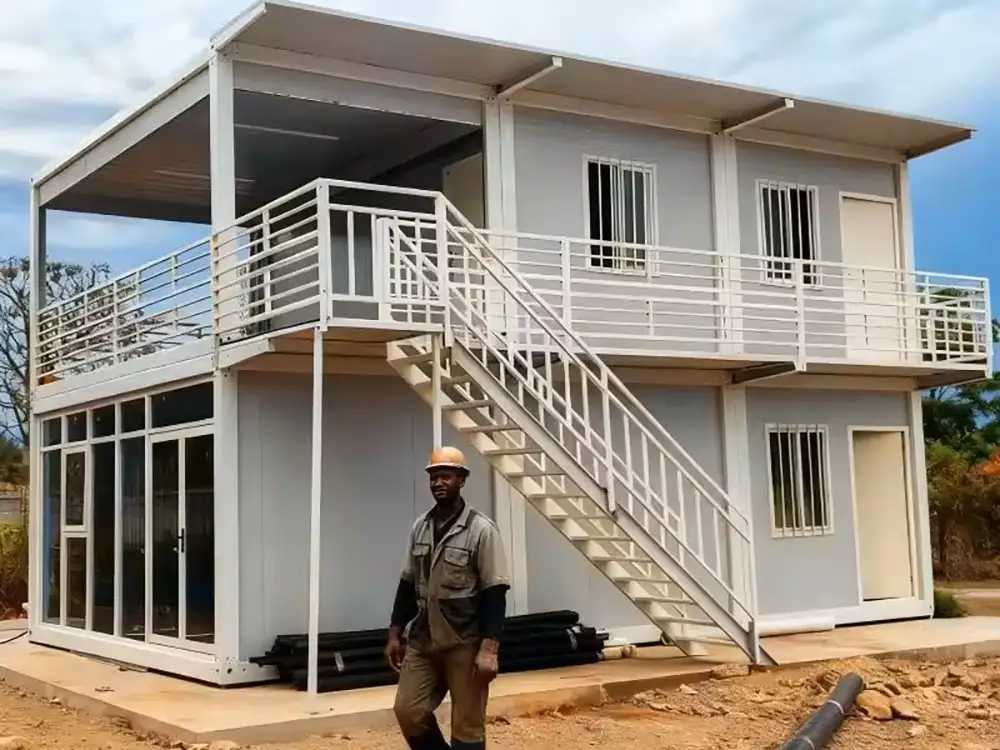
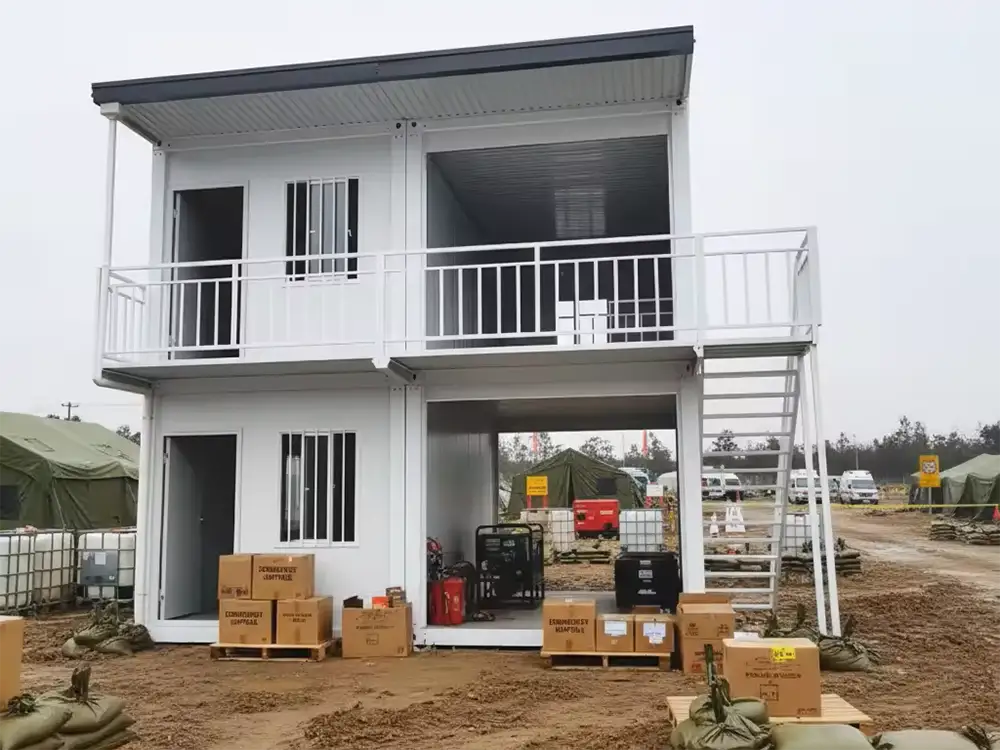
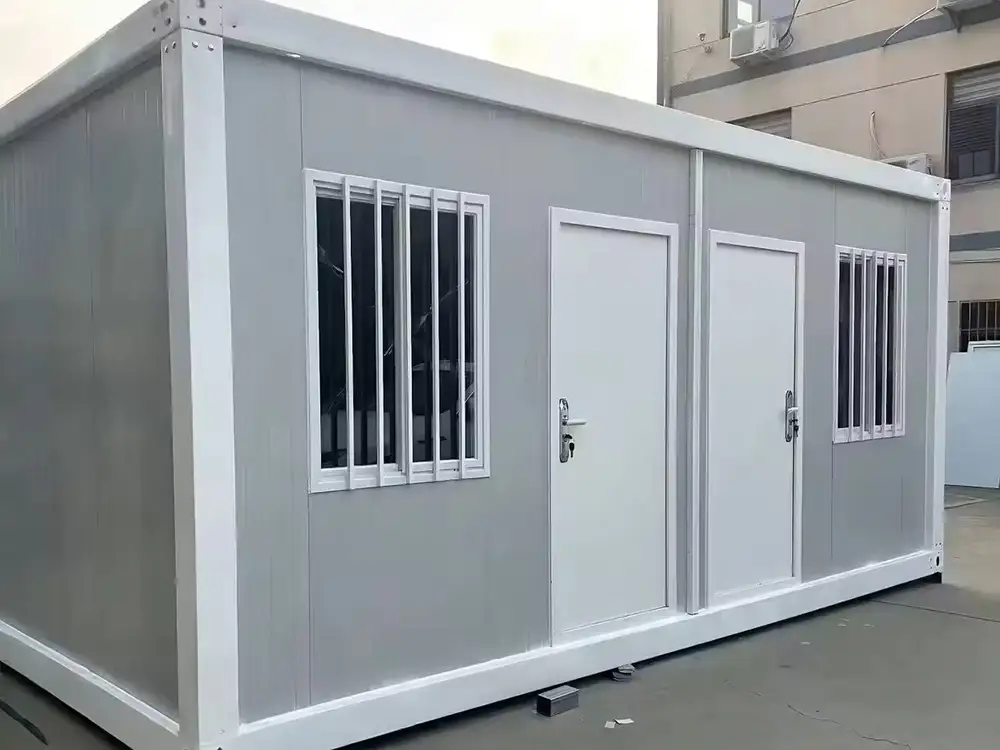
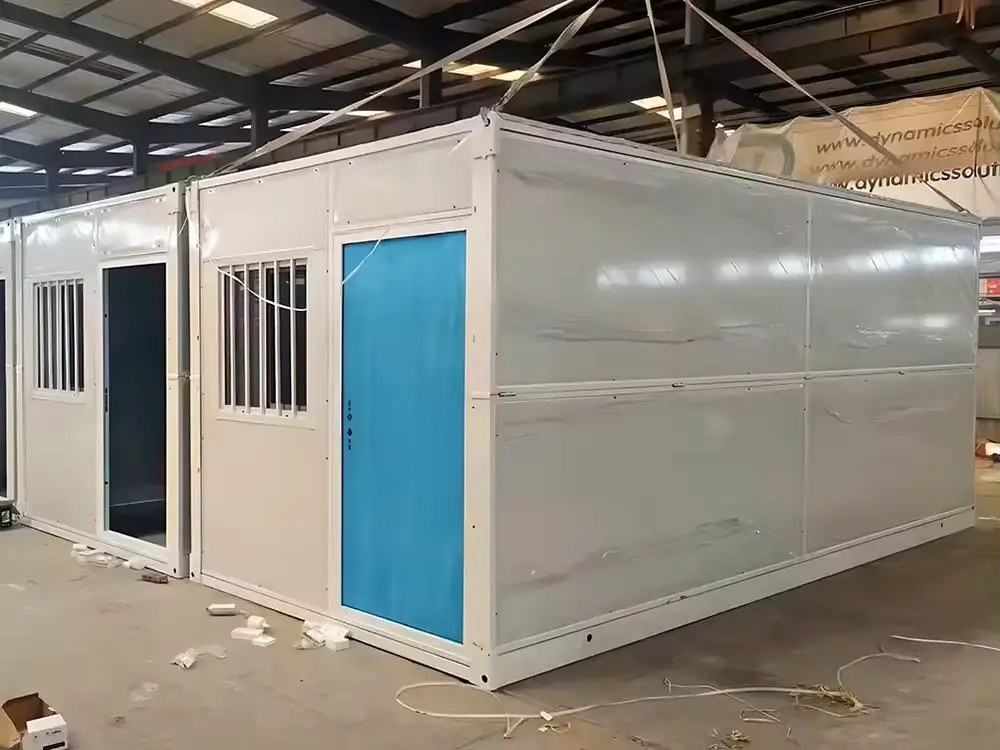
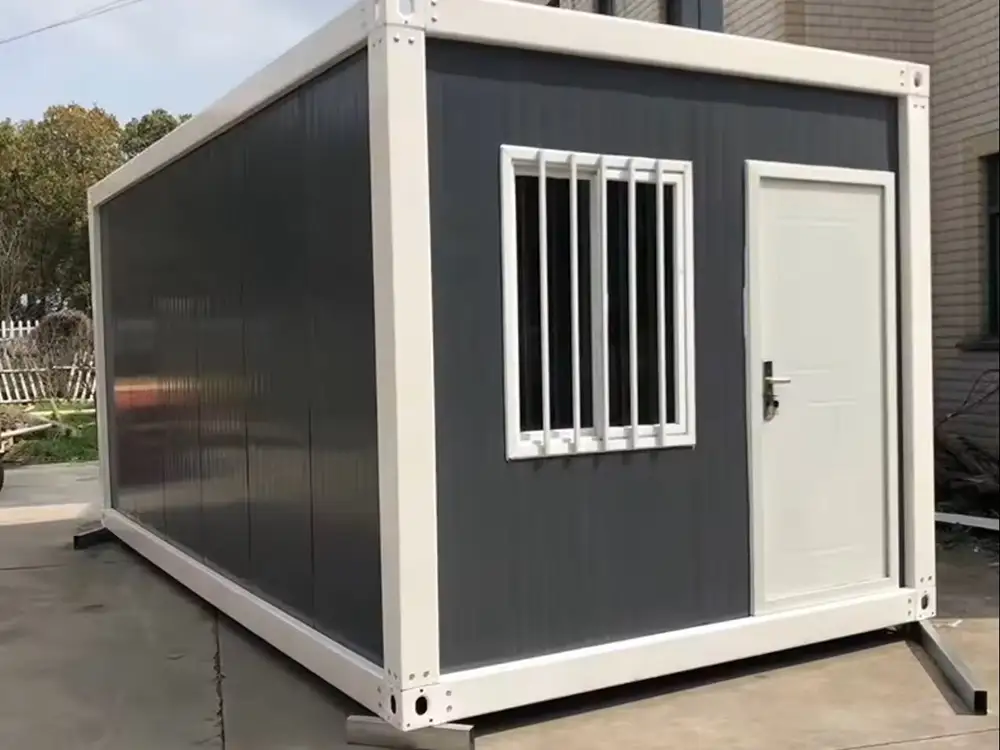
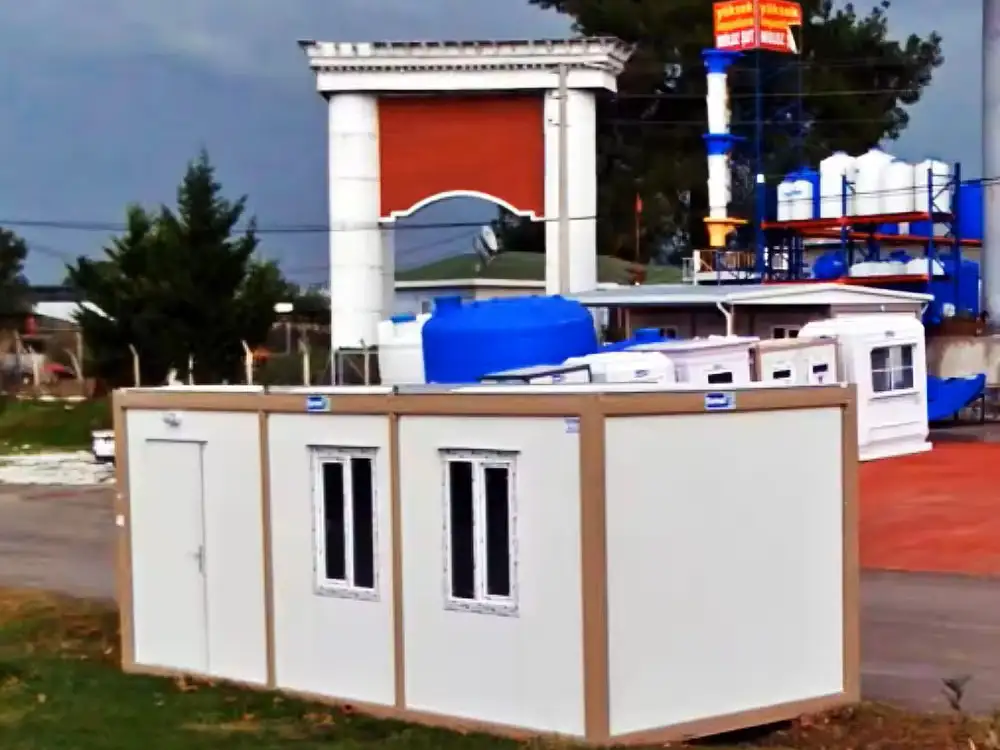
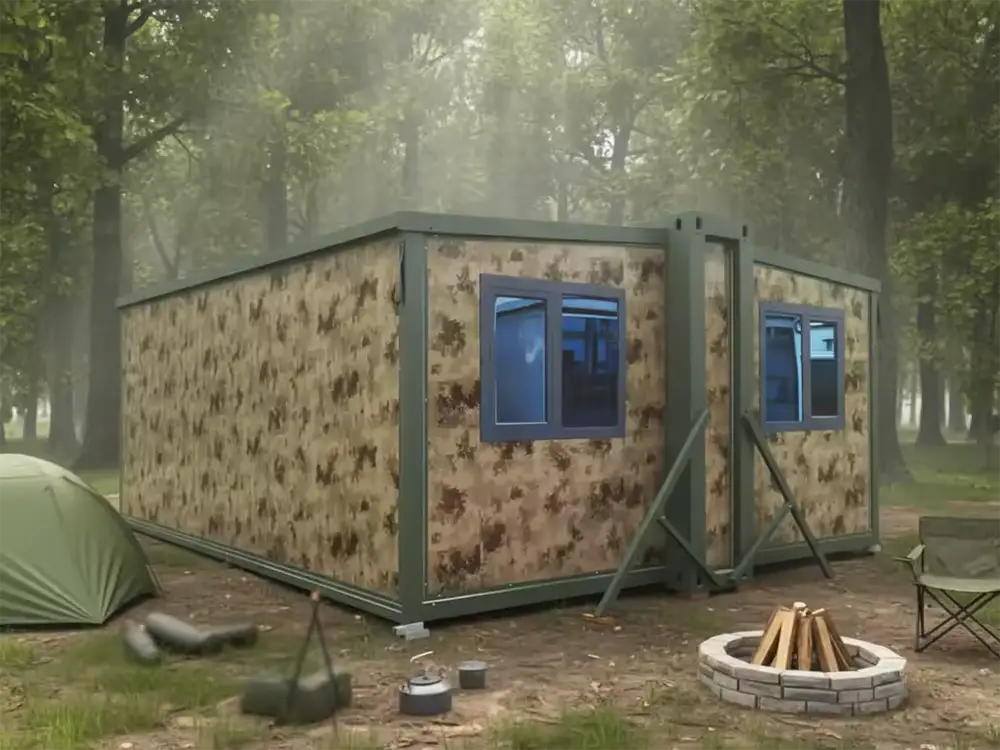
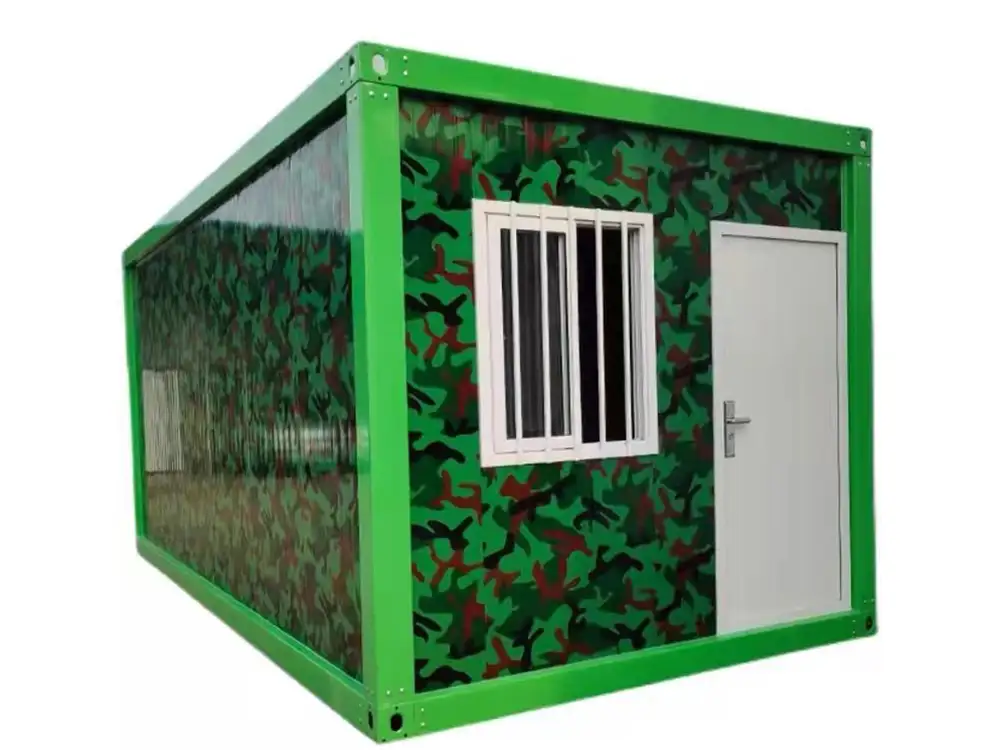
Fast Build Foldable Prefab Villa Waterproof Expandable Container House Insulated Prefabricated Folding Mobile Portable Home |
|
20FT Size |
Open Size:5900*6540*2530mm.Total Area 39(m2) |
|
40FT Size |
Open Size:11800*6540*2530mm.Total Area 77(m2) |
|
Main Material |
Galvanized frame, fully welded construction, powder-coated surface |
|
Weight |
20FT≈3.5 tons/40FT≈7 tons |
|
Roof |
75mm Fireproof Flame Retardant Eps Insulation Sandwich Panel |
|
Suspended Ceiling |
Bamboo and wood fiber integrated wall panels |
|
Side And Front Rear Wall Panels |
75mm Fireproof Flame Retardant Eps Insulation Sandwich Panel |
|
The Internal Partition |
50mm Fireproof Flame Retardant Eps Insulation Sandwich Panel |
|
Floor |
2mm Pvc Floor Leather+18mm Glass Magnesium Board |
|
Door |
Thermal Break Aluminum Double Doors/Bedroom Wood Door or Metal Door |
|
Window |
Double-layer tempered glass + broken bridge aluminum casement window |
|
Circuit |
Comply with local certifications such as SAA and CE in the destination country |
|
Payment |
30% Advance Payment Before Shipment. 70% After Delivery
|
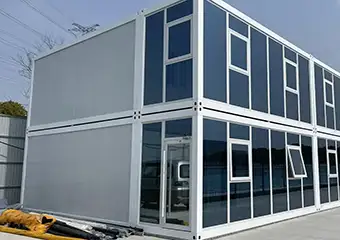
Remote Workforce Housing refers to modular accommodation systems designed to support employees working in remote, isolated, or hard-to-reach locations. These housing solutions are widely used across industries such as oil and gas, mining, construction, infrastructure development, energy projects, and disaster relief operations. Built using prefabricated modular construction technology, remote workforce housing provides efficient, scalable, and cost-effective living environments where traditional buildings are not practical.
One of the primary advantages of Remote Workforce Housing is rapid deployment. Remote project sites often operate under strict timelines and logistical challenges, making traditional construction slow and expensive. Modular housing units are manufactured in controlled factory environments and delivered ready for installation. Once transported to the site, they can be assembled and made operational within days or weeks, significantly reducing project delays.
Durability is a key requirement for remote housing solutions. These units are engineered using high-strength steel frames, insulated sandwich panels, and weather-resistant coatings to withstand extreme environmental conditions. Whether installed in deserts, arctic regions, mountainous terrain, or coastal industrial zones, remote workforce housing is designed to resist wind, sandstorms, heavy rain, snow, and temperature fluctuations while maintaining long-term structural integrity.
Comfort and livability are essential for maintaining workforce productivity and morale in remote locations. Remote Workforce Housing units are designed to provide safe and comfortable living spaces for workers who may spend extended periods on-site. Typical layouts include single rooms, shared dormitories, bathrooms, kitchens, dining areas, laundry facilities, and recreational spaces. Proper insulation, ventilation systems, and climate control ensure a stable indoor environment in all conditions.
Flexibility is one of the strongest advantages of modular workforce housing. Units can be configured for small teams or scaled into large accommodation camps housing hundreds or even thousands of workers. Additional modules such as offices, medical clinics, security rooms, training centers, and canteens can be integrated into the overall camp layout. This modular approach allows organizations to expand or reduce capacity based on project requirements.
Safety is a critical consideration in all remote workforce housing designs. Units are built to meet international safety standards, including fire resistance, structural stability, electrical safety, and emergency evacuation compliance. Many systems include fire-rated materials, smoke detectors, emergency exits, and secure locking systems to ensure worker safety in isolated environments.
Energy efficiency is especially important in remote locations where power resources are limited. Remote Workforce Housing often operates using generators or renewable energy systems such as solar power. Energy-efficient insulation, LED lighting, solar panels, and low-energy HVAC systems help reduce fuel consumption while maintaining comfortable living conditions for workers.
Portability is another major benefit of modular housing systems. These units are designed for easy transportation via trucks or container logistics. Entire housing camps can be relocated as projects move from one site to another, ensuring that infrastructure investments are reused efficiently across multiple operations.
Maintenance is simplified due to modular construction design. Individual units or components can be repaired or replaced without affecting the entire camp. Plumbing, electrical systems, and HVAC units are designed for easy access, reducing downtime and lowering maintenance costs over time.
Applications for Remote Workforce Housing are extensive. These systems are used for worker dormitories, site offices, command centers, medical facilities, security stations, dining halls, and recreational centers. Their versatility makes them a complete infrastructure solution for any remote industrial operation.
Cost efficiency is one of the strongest advantages of modular workforce housing. Compared to traditional construction, prefabricated systems significantly reduce labor costs, construction time, and material waste. The ability to reuse and relocate units also increases long-term return on investment for companies operating across multiple sites.
Modern remote housing solutions also focus on improving quality of life for workers. Comfortable sleeping quarters, internet connectivity, entertainment areas, and private living spaces help improve morale and productivity. A well-designed living environment reduces fatigue and supports workforce retention in remote projects.
Customization options allow housing systems to be tailored to specific project requirements. Layouts can be adjusted based on workforce size, climate conditions, cultural preferences, and operational needs. Exterior designs and branding can also be customized for corporate identity or project-specific requirements.
Environmental sustainability is increasingly important in modern construction and industrial operations. Remote Workforce Housing can incorporate eco-friendly materials, water recycling systems, waste management solutions, and renewable energy integration to minimize environmental impact while maintaining operational efficiency.
In conclusion, Remote Workforce Housing provides a reliable, scalable, and cost-effective accommodation solution for industries operating in remote and challenging environments. With fast installation, durable construction, flexible configurations, and strong safety standards, these modular systems are essential for modern industrial projects. Whether used in oil fields, mining operations, or large-scale construction sites, remote workforce housing ensures safe, comfortable, and efficient living conditions for workers anywhere in the world.
Prev:
Military Container Barrack
Next:
Man Camp Housing
TAG:
Related Category:
Remote Workforce Housing China, suppliers, manufacturers, factory, customized, wholesale, quotation, made in China