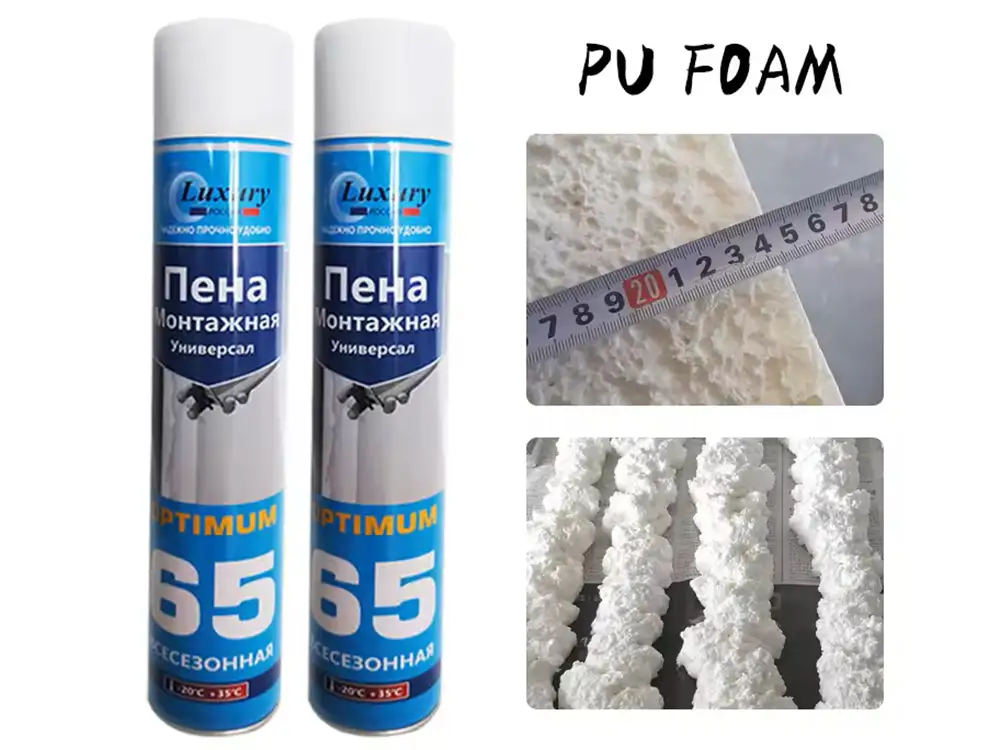
PU Foam Technical Parameters
PU Foam, also known as polyurethane foam, is a highly versatile and widely used material in construction, manufacturing, and industrial applications. It is created through a chemical reaction between polyols and isocyanates, forming a lightweight yet durable foam structure with excellent insulation and sealing properties. Due to its adaptability and performance, PU Foam has become an essential material in modern building systems, packaging solutions, automotive manufacturing, and furniture production.
One of the most significant advantages of PU Foam is its outstanding thermal insulation capability. The closed-cell structure of the foam traps air and reduces heat transfer, making it highly effective in maintaining indoor temperatures. This property makes PU Foam ideal for use in walls, roofs, floors, and refrigeration systems. By improving thermal efficiency, it helps reduce energy consumption and lowers heating and cooling costs in both residential and commercial buildings.
In addition to thermal insulation, PU Foam also provides excellent soundproofing performance. Its dense cellular structure helps absorb and reduce noise transmission, making it suitable for applications in offices, residential buildings, studios, and industrial environments where noise control is important.
PU Foam is also known for its superior sealing properties. When applied as spray foam, it expands to fill gaps, cracks, and voids, creating an airtight seal. This makes it highly effective in preventing air leakage, moisture infiltration, and dust penetration. As a result, it enhances the overall efficiency and durability of buildings and structures.
Another key benefit of PU Foam is its lightweight nature combined with strong structural performance. Despite its low density, it provides excellent rigidity and support, making it suitable for sandwich panels, insulated boards, and prefabricated building components. This combination of strength and light weight reduces structural load while maintaining durability.
Durability is a major advantage of PU Foam. It is resistant to moisture, chemicals, and temperature variations, ensuring long-term performance in demanding environments. Unlike traditional insulation materials, PU Foam does not easily degrade or lose its effectiveness over time, making it a reliable solution for long-term applications.
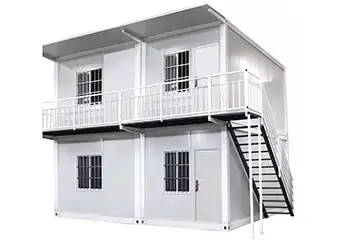
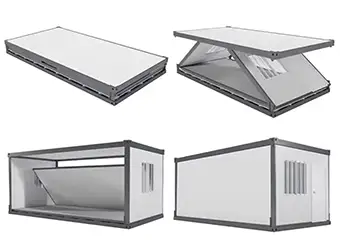
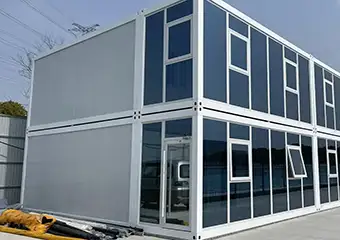
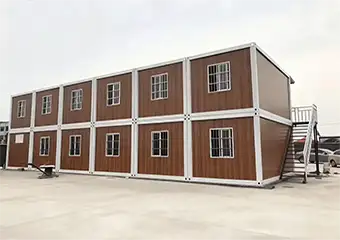
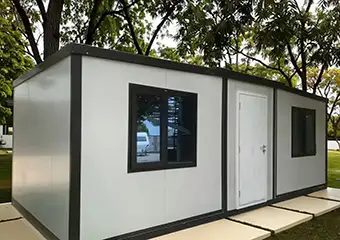
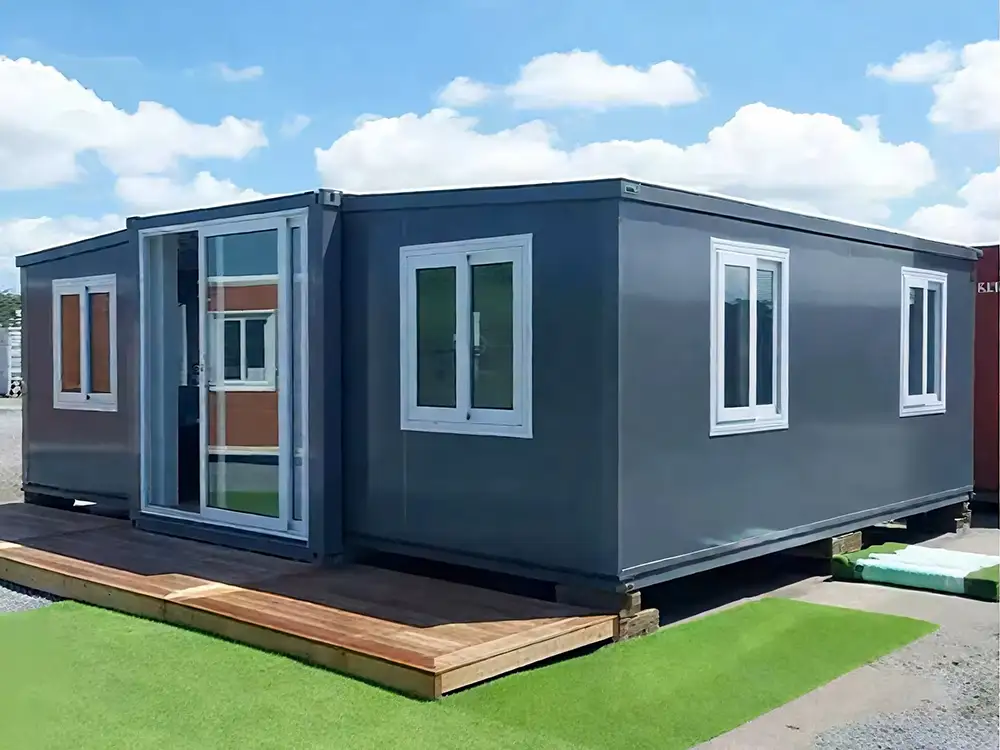
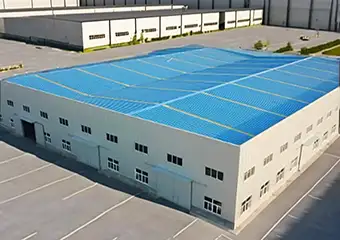
PU Foam is widely used in construction projects, including insulation for buildings, roofing systems, cold storage facilities, and HVAC systems. It is also commonly used in prefabricated structures such as container houses, modular buildings, and portable cabins. Its ability to enhance thermal efficiency and structural performance makes it a preferred choice for modern construction solutions.
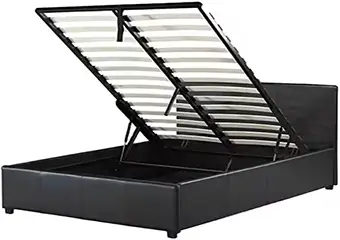
In the automotive and manufacturing industries, PU Foam is used for seating, cushioning, and protective packaging. Its shock-absorbing properties make it ideal for protecting fragile goods during transportation. In furniture production, it is commonly used in sofas, mattresses, and upholstery due to its comfort and flexibility.
Ease of application is another important advantage. PU Foam can be applied using spray systems, injection methods, or pre-formed panels depending on the application. Spray foam, in particular, allows for quick and efficient installation, reducing labour time and costs while ensuring complete coverage.
Environmental performance is increasingly important in material selection. Modern PU Foam formulations are designed to be more eco-friendly, with improved energy efficiency and reduced environmental impact. By improving insulation performance, PU Foam contributes to lower energy consumption and supports sustainable building practices.
Safety considerations are also addressed in high-quality PU Foam products. Many formulations are designed with fire-retardant properties to meet building safety standards. Proper installation and usage ensure safe and reliable performance in various applications.
Customization options allow PU Foam to be tailored to specific needs. It is available in different densities, hardness levels, and formulations, making it suitable for a wide range of applications, from soft cushioning to rigid structural insulation.
Cost-effectiveness is another major benefit. PU Foam reduces energy costs, minimizes material waste, and offers long-term durability, making it a highly economical choice for both small-scale and large-scale projects.
In conclusion, PU Foam is a high-performance material that combines insulation, sealing, durability, and versatility in one solution. Its wide range of applications across construction, manufacturing, and industrial sectors makes it an essential component in modern engineering and design. Whether used for thermal insulation, soundproofing, or structural support, PU Foam delivers reliable and efficient performance in a variety of environments.
Prev:Sorry, no information
Next:Sorry, no information
TAG:
Related Category:
PU Foam China, suppliers, manufacturers, factory, customized, wholesale, quotation, made in China