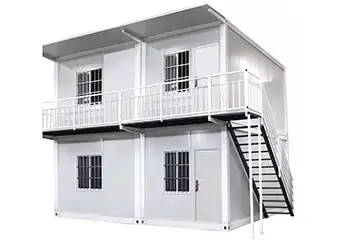
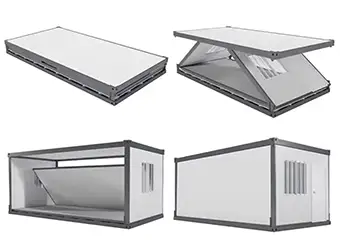
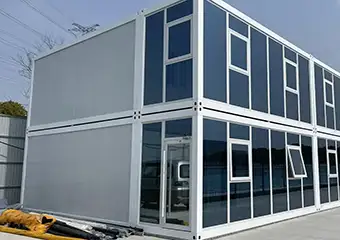
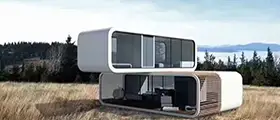
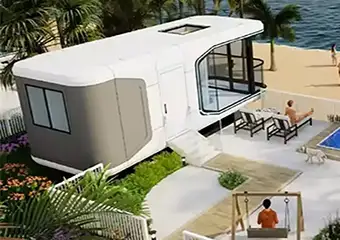
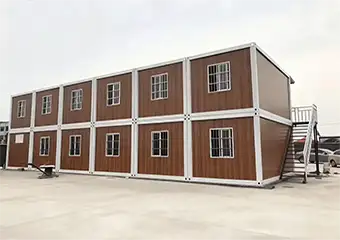
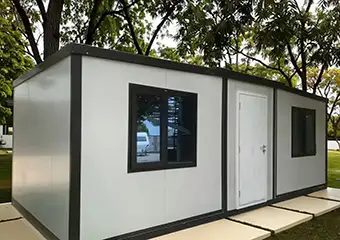
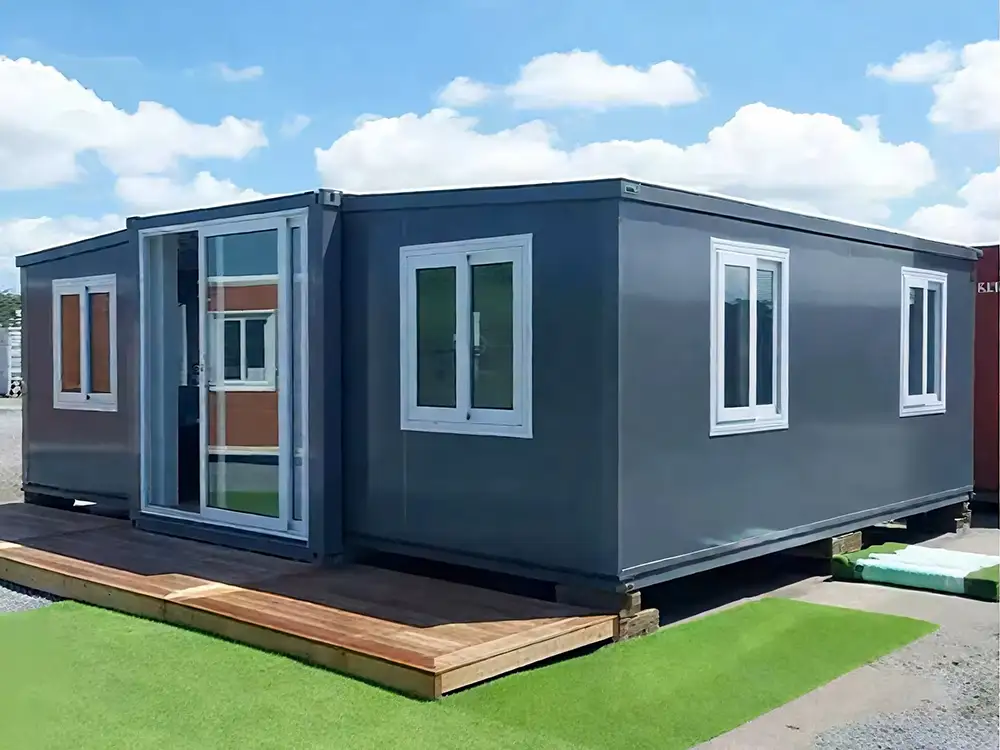
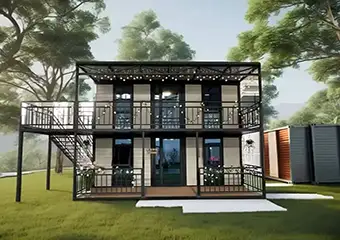
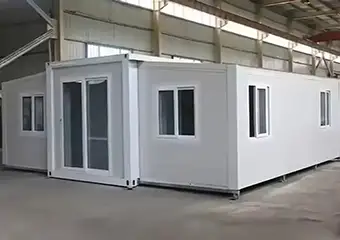
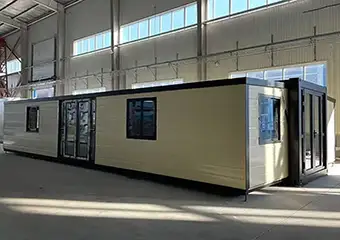
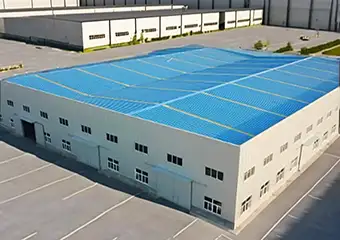
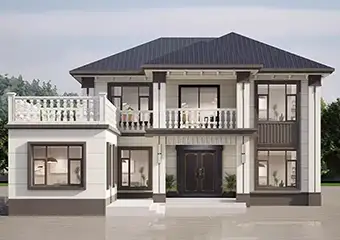
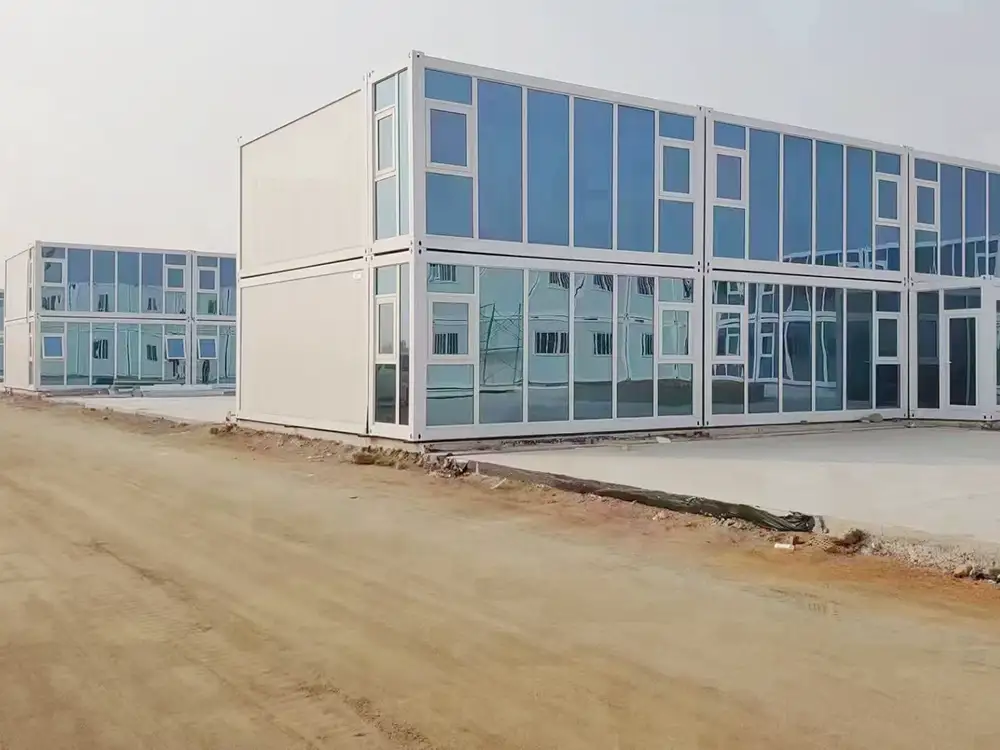
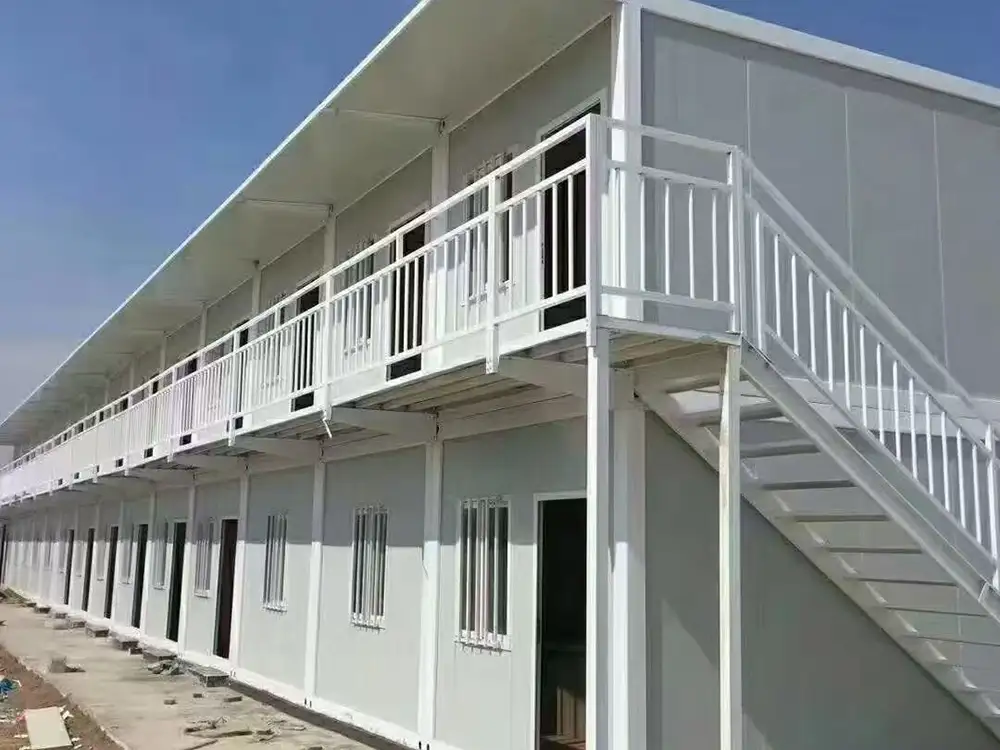
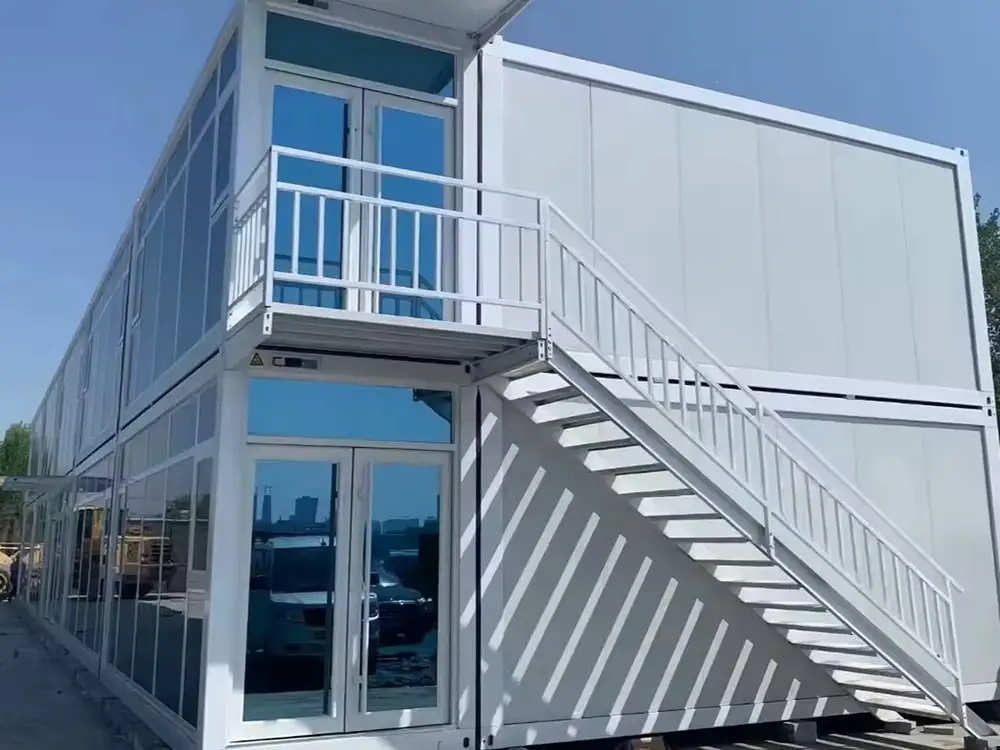
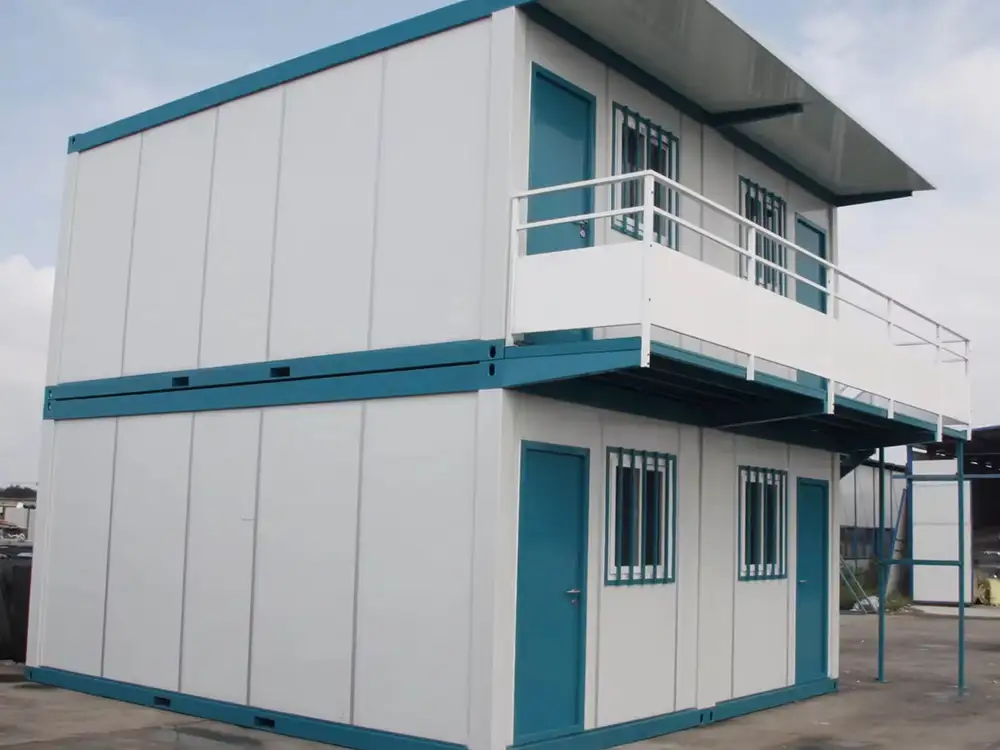
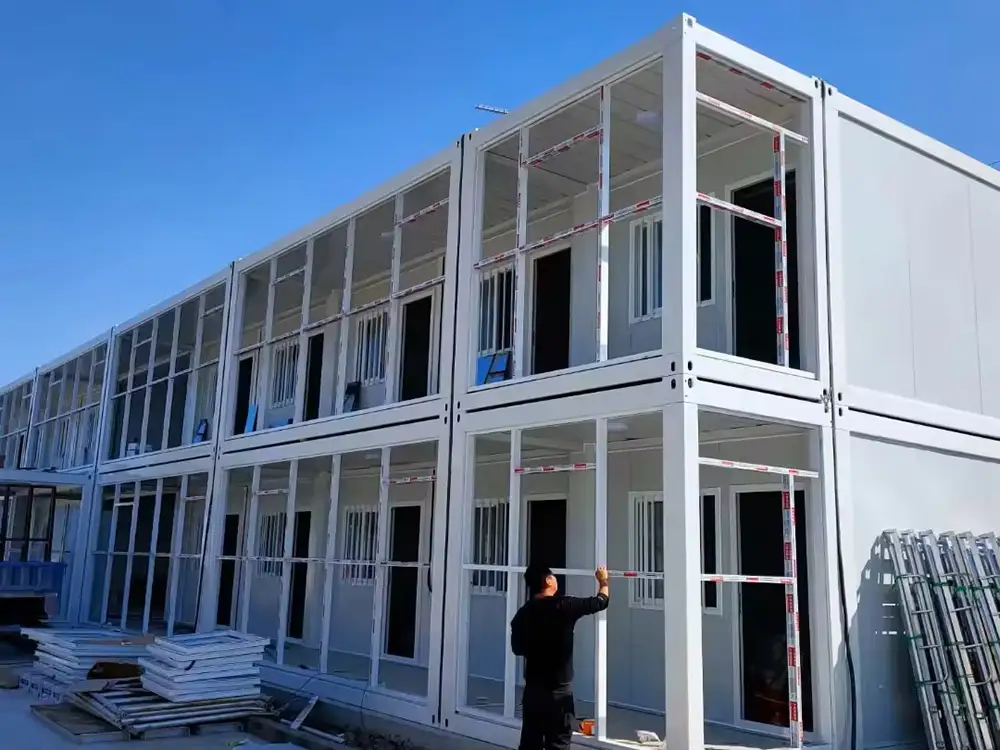
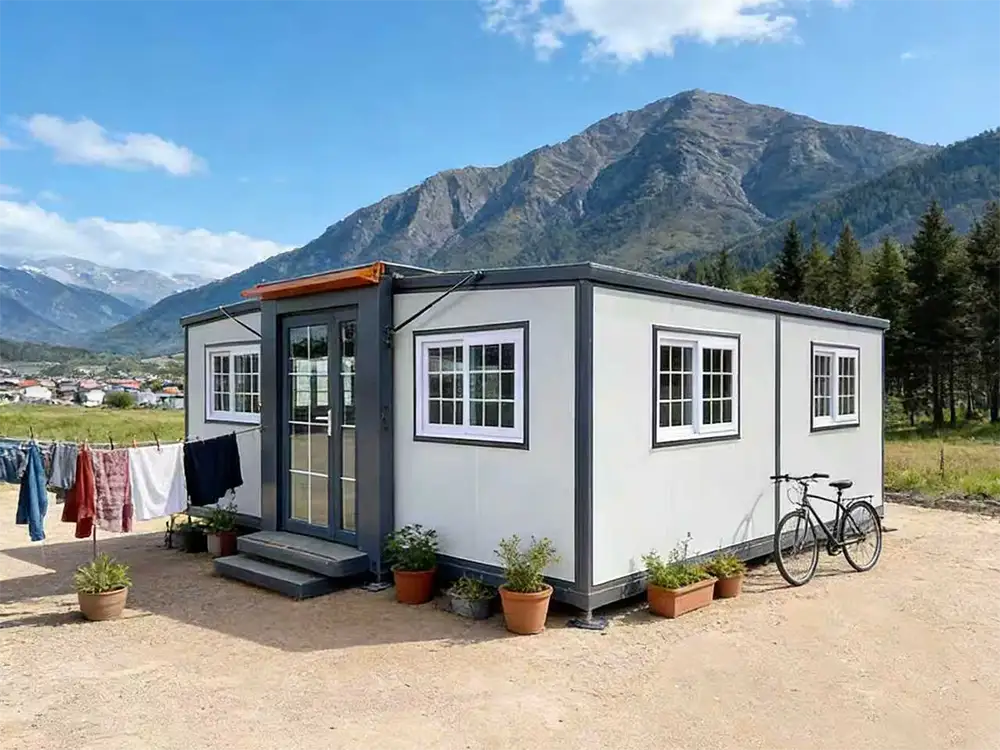
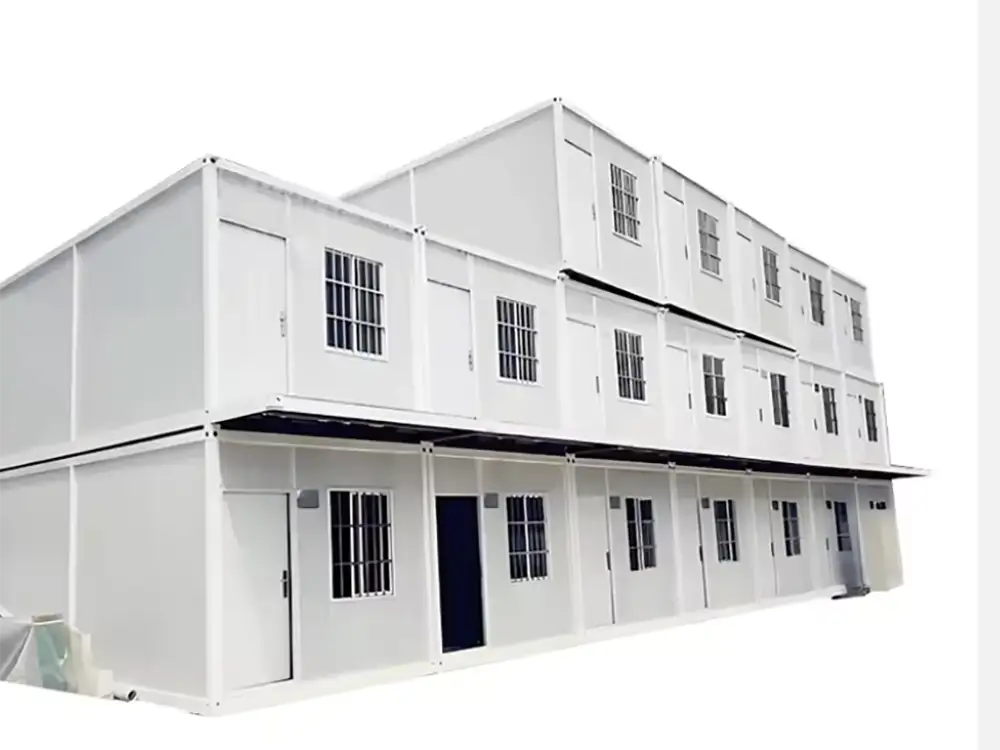
Prefabricated Construction for Mass Housing is transforming the residential building sector by combining speed, efficiency, and high-quality modular design. This construction method uses prefabricated components manufactured in controlled factory environments, which are then transported and assembled on-site to create large-scale housing communities quickly and reliably. It is particularly suitable for urban development, social housing projects, temporary accommodations, disaster relief, and large-scale residential expansions.
One of the primary benefits of prefabricated construction for mass housing is its rapid deployment. Traditional construction methods can take months or even years to complete large housing projects. Prefabricated modular units, however, are manufactured in parallel with site preparation, allowing assembly to begin immediately upon delivery. This greatly reduces construction timelines and enables governments, developers, and organizations to meet urgent housing demands efficiently.
Durability is a core feature of prefabricated construction. Each modular unit is built using high-strength steel frames, insulated panels, and weather-resistant coatings. These components ensure that the housing withstands heavy rainfall, strong winds, seismic activity, and temperature extremes. Reinforced structures and corrosion-resistant finishes guarantee long-term stability, making prefabricated housing suitable for diverse climates and geographic locations.
Scalability is another advantage. Prefabricated housing units are modular and can be combined horizontally and vertically to create single-story or multi-story residential complexes. This flexibility allows for rapid expansion to meet population growth or urban development needs. Units can be standardized for mass production or customized for specific layouts, ensuring both efficiency and comfort.
Cost efficiency is a significant benefit of prefabricated construction. Factory production reduces labor requirements, shortens construction timelines, and minimizes material waste. Economies of scale in mass housing projects further reduce costs, making prefabricated construction an attractive solution for social housing, corporate housing, and affordable residential projects.
Flexibility and customization allow modular units to meet diverse residential needs. Units can include fully equipped kitchens, bathrooms, living spaces, storage areas, and bedrooms. Developers can combine units to create multi-family homes, community centers, or temporary housing villages. Interiors can be adapted for local cultural and lifestyle requirements while maintaining consistent quality across the project.
Sustainability is increasingly critical in modern construction. Prefabricated construction uses energy-efficient insulation, LED lighting, and eco-friendly materials. Optional green technologies, including solar panels, rainwater harvesting, and energy-efficient HVAC systems, reduce environmental impact and operational costs. Prefabrication also minimizes construction waste and energy consumption compared to traditional on-site building methods.
Weather resistance is a vital feature for large-scale housing projects. Prefabricated units are engineered to withstand rain, wind, snow, and extreme temperature fluctuations. Advanced insulation, waterproof coatings, and reinforced steel structures ensure that residents remain safe, dry, and comfortable throughout the year, regardless of the local climate.
Portability and modularity allow prefabricated units to be relocated, reconfigured, or expanded as needed. This makes them ideal for temporary housing solutions, disaster response, or phased urban development projects. Units can be connected or stacked to create multi-story complexes or dispersed housing clusters depending on the site layout and project requirements.
Maintenance is simplified due to standardized modular design. Components such as wall panels, roofs, and floors can be replaced or upgraded individually without disrupting the overall structure. High-quality finishes reduce wear and tear, ensuring long-lasting performance for residents and minimizing management costs for developers.
Applications for prefabricated construction for mass housing are extensive. These include urban housing developments, affordable residential projects, student dormitories, temporary construction worker housing, emergency shelters, vacation village developments, and remote community housing. The modular, scalable, and flexible design ensures suitability across a variety of contexts while maintaining comfort, safety, and durability.
In conclusion, prefabricated construction for mass housing offers an efficient, durable, and cost-effective solution for large-scale residential development. Rapid assembly, scalable modular layouts, weather-resistant construction, customizable interiors, and sustainable materials make it a practical choice for developers, governments, and organizations seeking high-quality housing solutions for communities.
Prev:
Prefabricated Tiny Home
Next:
Prefabricated Housing Units
TAG:
Related Category:
Prefabricated Construction for Mass Housing China, suppliers, manufacturers, factory, customized, wholesale, quotation, made in China